

Mexico’s agave spirits industry has expanded rapidly in recent years. Thousands of tequila and mezcal brands now exist across Jalisco, Oaxaca, Durango, Michoacán, Guerrero, and other regions, making it one of the most diverse spirits categories in the world.
Yet European consumers only see a small fraction of this diversity.
The reason is not production capacity or lack of demand. It is access.
A market that looks open but is structurally selective
From the outside, tequila and mezcal appear widely available in Europe. Major brands are present in retail chains, airports, hotels, and bars across the continent.
This visibility is misleading.
Most independent producers never establish stable distribution in the EU. Many export only small volumes. Others ship once and disappear from the market. Some never enter Europe at all despite strong domestic success and high-quality production.
The difference is structural, not creative.
Europe is a compliance-driven system
Entering the EU alcohol market is not a simple export step. It requires navigating a layered regulatory environment involving customs, excise, VAT, warehousing, and national reporting systems.
For spirits, this typically includes:
- EU VAT registration and reporting, including potential VAT deferral structures for bonded storage
- fiscal representation for excise compliance
- EMCS tracking for alcohol movements
- bonded warehouse storage
- customs clearance and import procedures
- country-specific tax obligations
- logistics across multiple jurisdictions
- ecommerce fulfilment and returns handling
- B2B distribution structures
Together, this forms a full operational infrastructure that must exist before meaningful sales can scale.
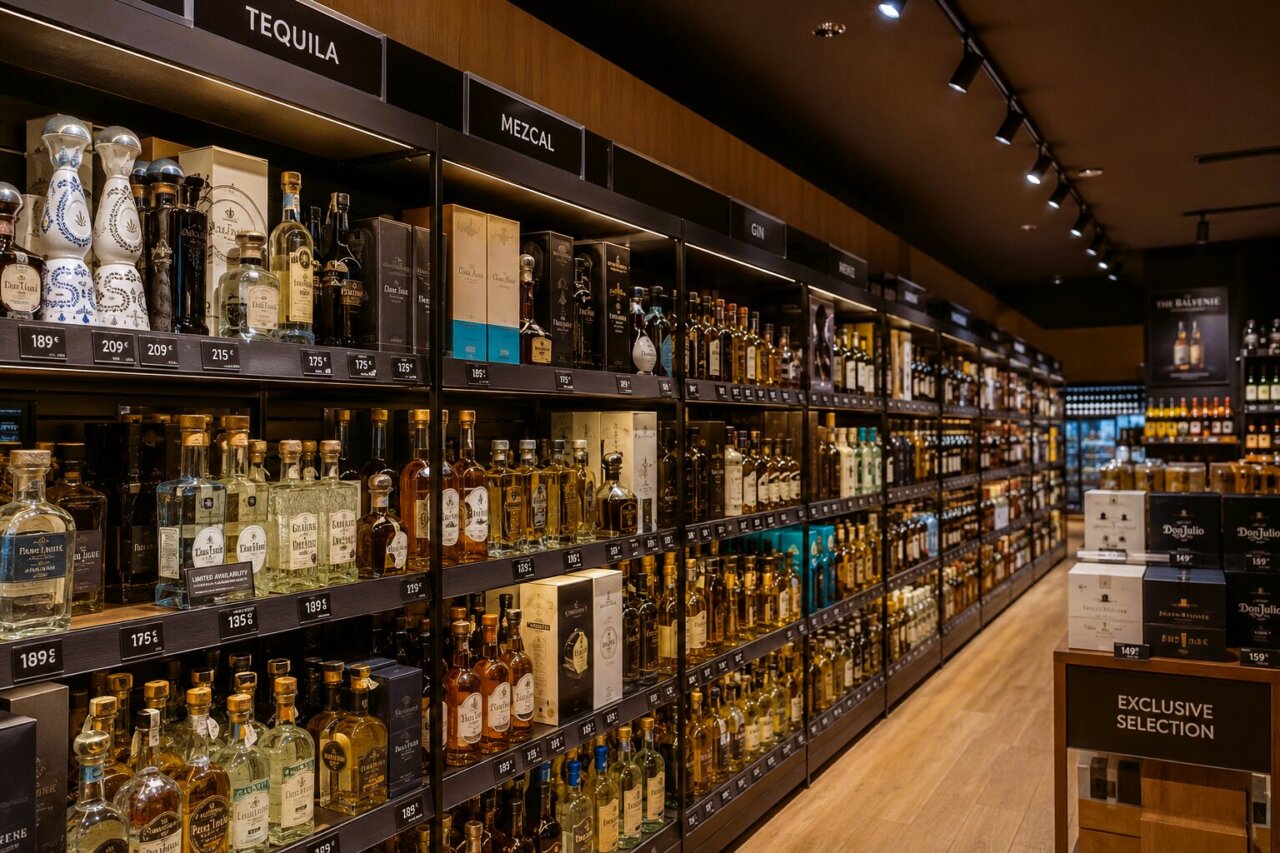
Distribution remains highly selective
European importers, wholesalers, retailers, and hospitality groups operate with limited shelf space and carefully managed portfolios. Most already work with established suppliers and only add a small number of new spirits brands each year.
As a result, selection standards are extremely competitive. Producers are evaluated not only on product quality, but also on pricing structure, supply consistency, marketing support, logistics capability, and commercial scalability.
For many tequila and mezcal brands, gaining access to these networks becomes one of the most difficult parts of European expansion.
This creates a major visibility imbalance. Mexico produces thousands of tequila and mezcal expressions, yet only a relatively small and highly curated group reaches mainstream European consumers.
Infrastructure has become the key differentiator
Branding and product quality remain essential, but they are no longer sufficient for international expansion.
Operational capability now plays an equal role.
The ability to manage compliance, logistics, excise systems, and multi-country distribution often determines whether a brand succeeds in Europe or remains local.
A structured route into Europe
This is where platforms such as Artesario operate.
The model combines distribution with a built-in European operational framework designed for agave spirits.
It includes:
- Bonded warehousing in the EU and UK
- VAT and Excise compliance management
- Fiscal representation and EMCS handling
- Customs and import coordination
- VAT deferment where applicable
- Ecommerce and fulfilment infrastructure
- B2B access across European markets
This reduces the need for producers to build fragmented systems from scratch.
Multi-market presence
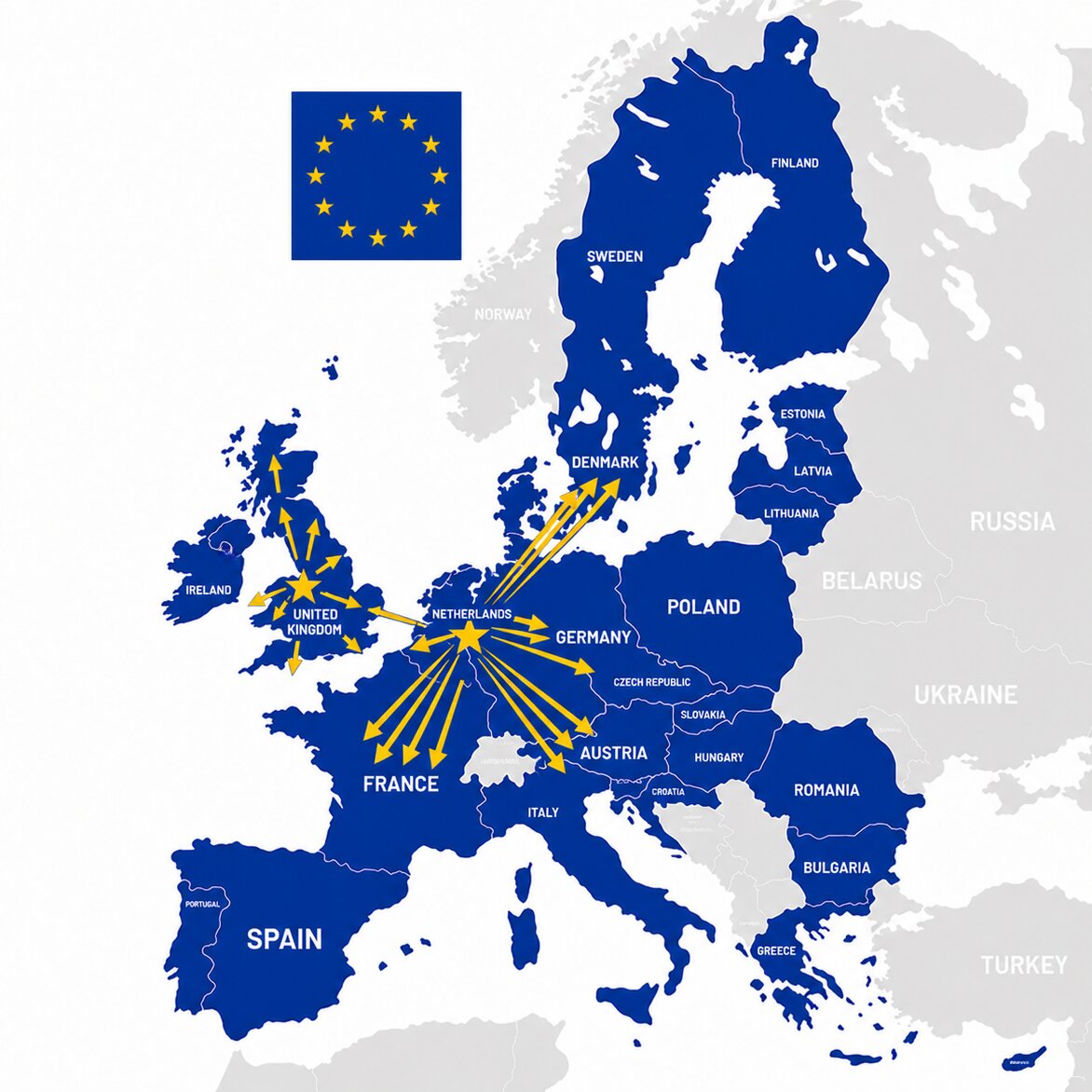
The network operates across key European markets:
- Austria: artesario.at
- Germany: artesario.de
- France: artesario.fr
- Belgium: artesario.be
- Netherlands: artesario.nl
- Denmark: artesario.dk
- United Kingdom: artesario.uk
Conclusion
The European agave market is not limited by demand or product diversity. It is shaped by infrastructure, regulation, and highly selective distribution networks.
Thousands of brands exist in Mexico, but only those that can navigate or integrate into the European compliance and distribution system achieve real visibility.
In today’s market, access is no longer just about having a product. It is about having the system that allows the product to reach the consumer.
If you are looking to expand into the fast-growing European agave market and sell directly to consumers across multiple EU countries, please reach out to us at Artesario.
By working with an established direct-to-consumer infrastructure, producers can preserve healthier margins while reducing dependence on multiple intermediaries within the traditional distribution chain.


